Taking large models from Q&A tools to construction systems that do the job.
From 2021 to 2026, LI Jiang was Assistant President of the Group and Head of AI at Glodon, a Shanghai/Shenzhen-listed construction-technology software group with RMB 6 billion+ revenue, and General Manager of its Industry AI and AI Engineering divisions, with full responsibility for AI strategy, architecture, organisation and industrial deployment. This page collects the work of that period: the AecGPT construction-industry large model and industry AI platform, three common key-technology breakthroughs, and deployed applications in machine-governed tendering, AI quantity take-off and AI safety.
01 / OverviewOverview
Glodon has spent nearly 30 years digitising construction, serving 370,000+ companies and over ten million end users. It set up an AI research team in 2015 and went All in AI in 2023. In this period LI Jiang built the complete system from strategy and architecture to organisation and deployment.
Direct AI revenue grew close to six-fold from 2024 to 2025 across 100+ paying enterprise customers, and is disclosed separately in the group's annual report.
Algorithm, data, engineering and product integrated into one research–engineering–product AI Center of Excellence with group-wide AI engineering standards and technical governance.
An annual AI headcount budget of RMB 35 million plus an RMB 40 million compute-infrastructure build, reporting to the President's Office and the Group CTO.
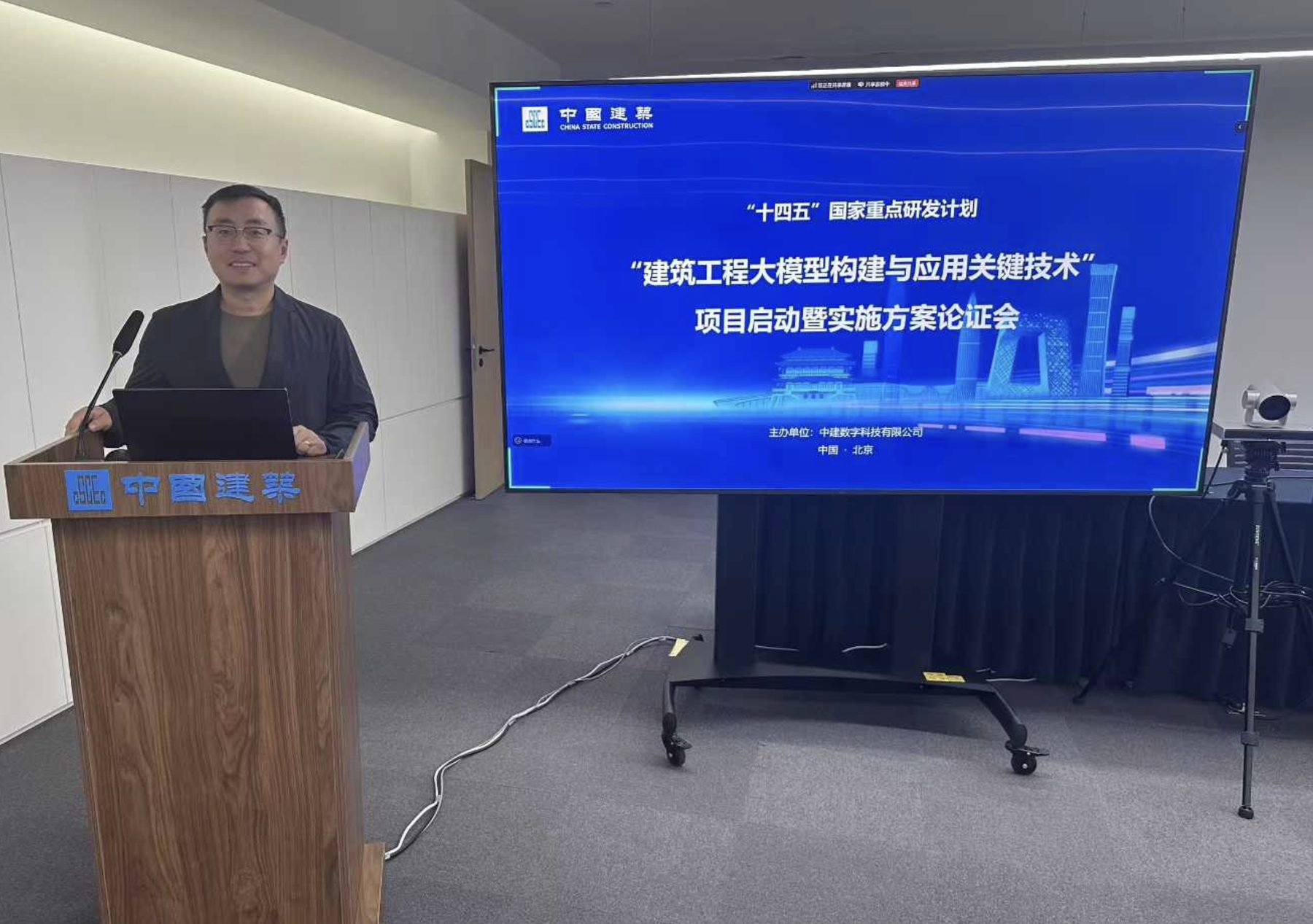
Principal Investigator, Task 2, National Key R&D Programme "Key Technologies for the Construction and Application of Large Models in Building Engineering"; RMB 54 million programme.
Strategy. Formulated the group's three-year AI technology roadmap and secured its adoption at President's Office level, deciding where the group invested in AI, which capabilities it built in-house and which business lines it transformed first. Drove the transition from a traditional software vendor to an AI-driven platform business under the banner "every product deserves to be rebuilt with AI", embedding AI into the Design, Cost and Construction businesses as Copilot and as RaaS (Result as a Service).
Architecture. Defined the three-tier target architecture (foundation-model layer → construction-enhanced model layer → agent-system layer) that became the standard for all group AI products; architected the AecGPT construction-industry large model (domain knowledge augmentation, enterprise knowledge graph, knowledge-driven agents) and an enterprise-grade multi-agent framework (task planning, tool invocation, closed execution loop).
Deployment. Embedded domain agents into customers' revenue-critical workflows: quantity take-off and pricing, tendering and bidding, contract review, construction-schedule optimisation and engineering knowledge Q&A. Revenue booked through the business units, with direct AI revenue listed separately in the annual report.
02 / ArchitectureA Composite Engineering Architecture for Construction AI
General-purpose large models face an impossible triangle of specialisation, generalisation and economy. The answer is not a bigger model but a layered engineering architecture: mixed foundation models, construction knowledge augmentation, and an agent system that executes.
100+ construction-specific agents across design, contracts and procurement, and construction. Each agent plans, adapts and interacts with people, decomposing complex tasks on its own and adjusting its execution path; agent combinations and custom workflows are configured through the industry AI platform toolchain. AI Design · AI Quantity Take-off · AI Safety · AI Contract · AI Trading · AI Schedule · AI Materials …
A construction knowledge graph linking millions of high-quality industry documents, atlases and datasets; continued pre-training and supervised fine-tuning on policies and regulations, industry standards, professional examinations and textbooks; text, chart and image recognition, document understanding and generation; RAG and a workflow engine.
Mixed use of Qwen, DeepSeek and other foundation models, selecting the best model dynamically by task type; enterprise-grade AI infrastructure and an on-premise deployment system that make adoption possible for security-sensitive clients.
At its May 2024 release: 32 billion parameters with hundreds of millions of tokens of industry knowledge, covering 20 specialisms across planning, design, trading, cost, construction, operations and management; an average score of 97% on China's National Constructor Examination.
03 / BreakthroughsThree Common Key-Technology Breakthroughs
The hard part of AI + digital building is not the model but the peculiarity of construction data: drawings, BIM, contracts, receipts and sensors are not things a large model can read natively.
Making multi-source heterogeneous data computable by large models
Construction organisation designs, tender documents, contracts, material receipts, invoices; CAD and PDF drawings; BIM models; sensor data, photos and video. Only once industry data has been parsed, structured and semanticised into LLM-ready data can a model analyse and decide.
- Material tables, quantity tables and other tables recognised at 98%+ accuracy
- Pile, beam, pipeline and other component parameters at 90%+
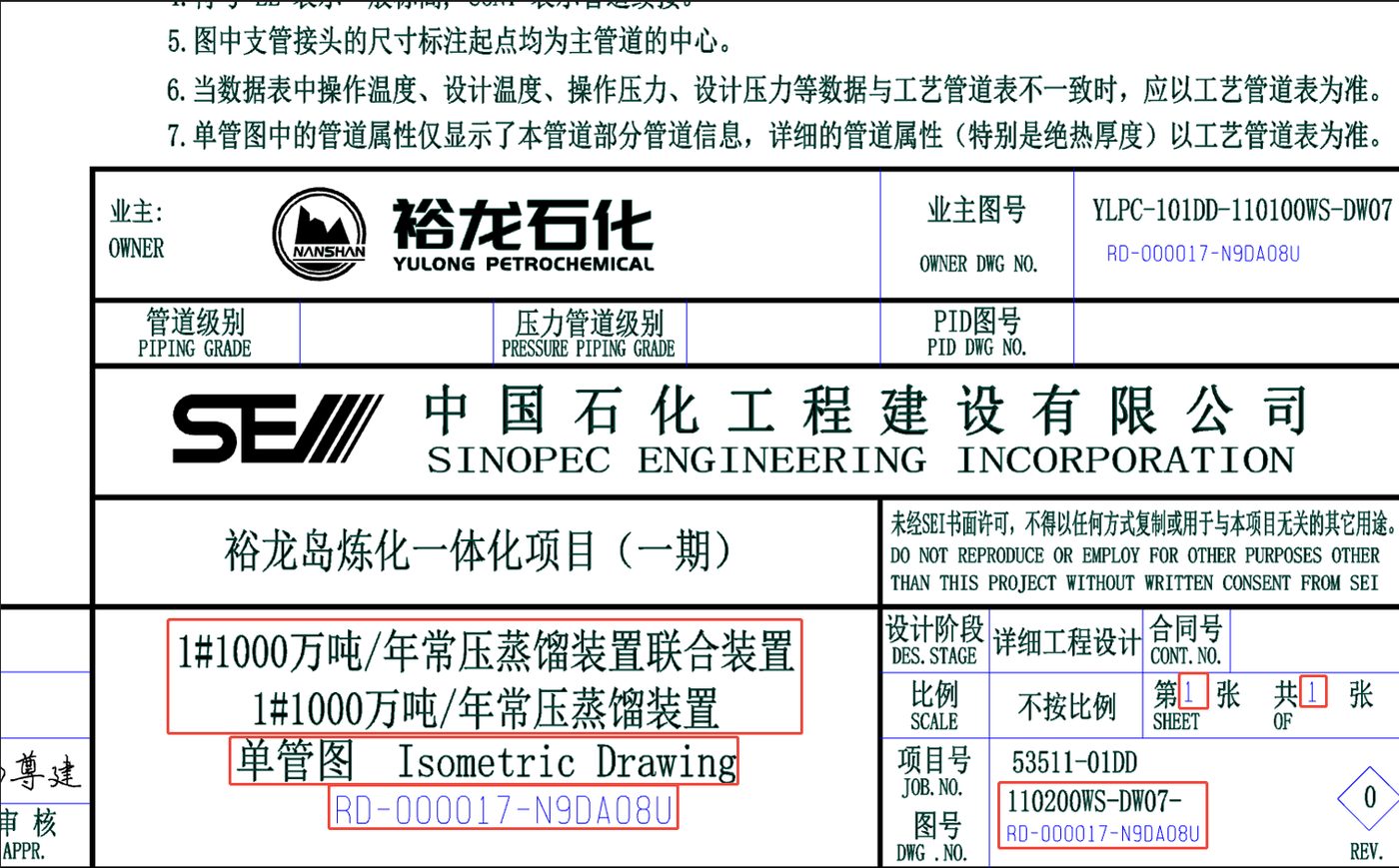
- Drawing text and metadata at 90%+, including infrastructure drawings and single-line diagrams
Dynamically updated for currency; serves intelligent Q&A and review for construction and engineering consulting.
A mixture-of-experts model for the construction industry
A router dispatches each input to the matching expert; experts are trained independently per domain and hot-swapped, cutting training cost and adapting fast; a heterogeneous mixture fuses models of different scales for both strong general understanding and specialist knowledge; partial activation sharply reduces inference cost. This is the engineering trade-off among specialisation, generalisation and economy.
- Expert line-up: design, trading, cost, quantity take-off, schedule, safety, project management …
- Knowledge-fused output combining general text understanding and logical reasoning
- A 300M+ token industry knowledge base as the augmentation and retrieval foundation
AecGPT + the industry AI platform + industry data enablement: the shared foundation for industry, enterprise, project and role-level scenarios.
An enterprise model on top of AecGPT: data aggregation and fusion turn enterprise data assets into model assets for digital marketing, business decisions and more.
Data + agents, AI + BIM, tooling and data: BIM and IoT are high-quality data sources, and deployed scenarios generate new management data, closing the AI and DATA double loop.
The "AI + DATA" double loop: building industry AI systematically
Point AI features do not build a moat; systematic industry AI does. Industry model at the base, enterprise model in the middle, scenario applications at the edge: data flows back to the model and the model lands in new scenarios. Two product forms, Copilot embedded in existing software and RaaS delivering results directly, toward a "construction AI expert plus construction AI operating system".
- Full AI-enablement of the Design, Cost and Construction product lines
- The national 14th Five-Year Plan project's three targets: a data layer with an industry semantic ontology, an intelligence layer of industry LLM plus specialist fine-tuning, and an application layer with products delivered as AI RaaS
04 / ApplicationsDeployed Applications
AI embedded in customers' revenue-critical workflows: tendering, quantity take-off and pricing, safety management, materials and schedule. Each carries verifiable efficiency and cost figures.
From 120–240 minutes to 10 minutes
On RMB 56.9 billion of tenders at an average 8% winning-bid discount
Human evaluation factors compressed; fair and objective
All provincial projects under RMB 100 million, across 7 engineering sectors
Machine-governed tendering in Hainan
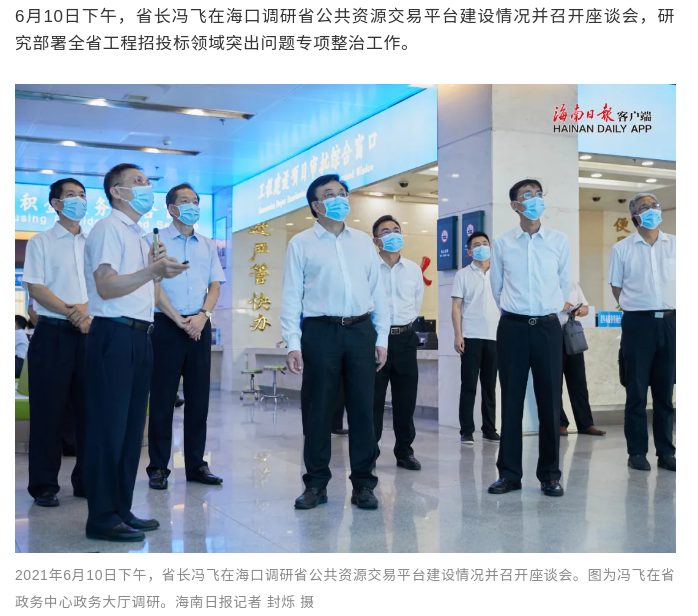
On the tendering side, AI review of tender documents, AI recommendation and a simulation sandbox for the full pre-market planning process; on the bidding side, AI bid decisions, document recommendation and simulated self-evaluation for zero rejected bids and a higher win rate; on the evaluation side, credential scoring with no human intervention, one-click economic scoring and ranking, and comprehensive, evidence-based technical scoring. By the end of 2024, 716 machine-governed tendering projects in Hainan's housing and construction sector had been opened and evaluated; six firewalls and expert human review keep human interference to a minimum.
- Tendering 90% faster, bidding 84% faster, contactless bid opening 80% faster
- Seven sectors: housing, transport, water, agriculture and rural affairs, natural resources and planning, ecology, forestry
- Selected as a national "AI+" application-scenario case; the solution has since been deployed in Tibet, Guizhou, Shenzhen and elsewhere
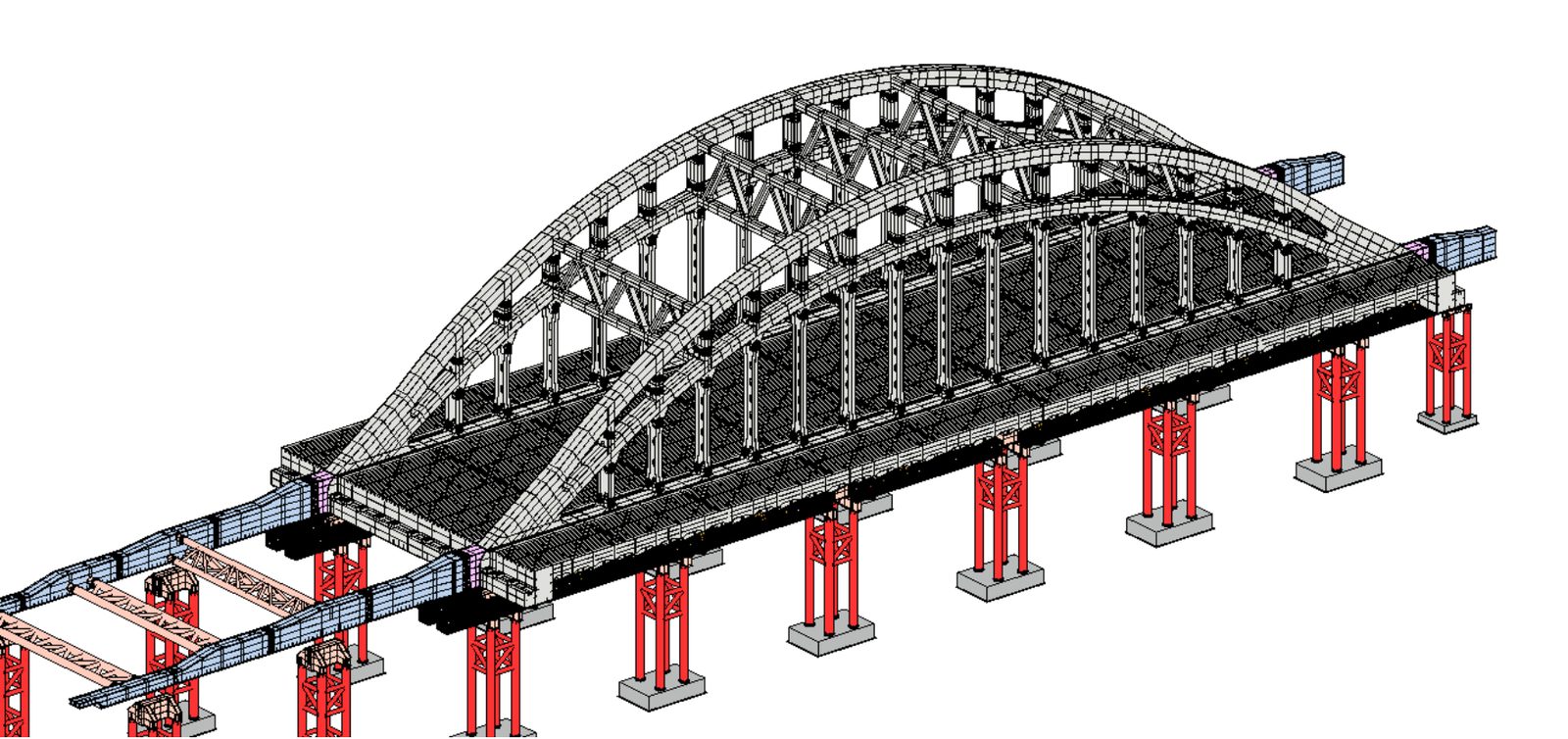
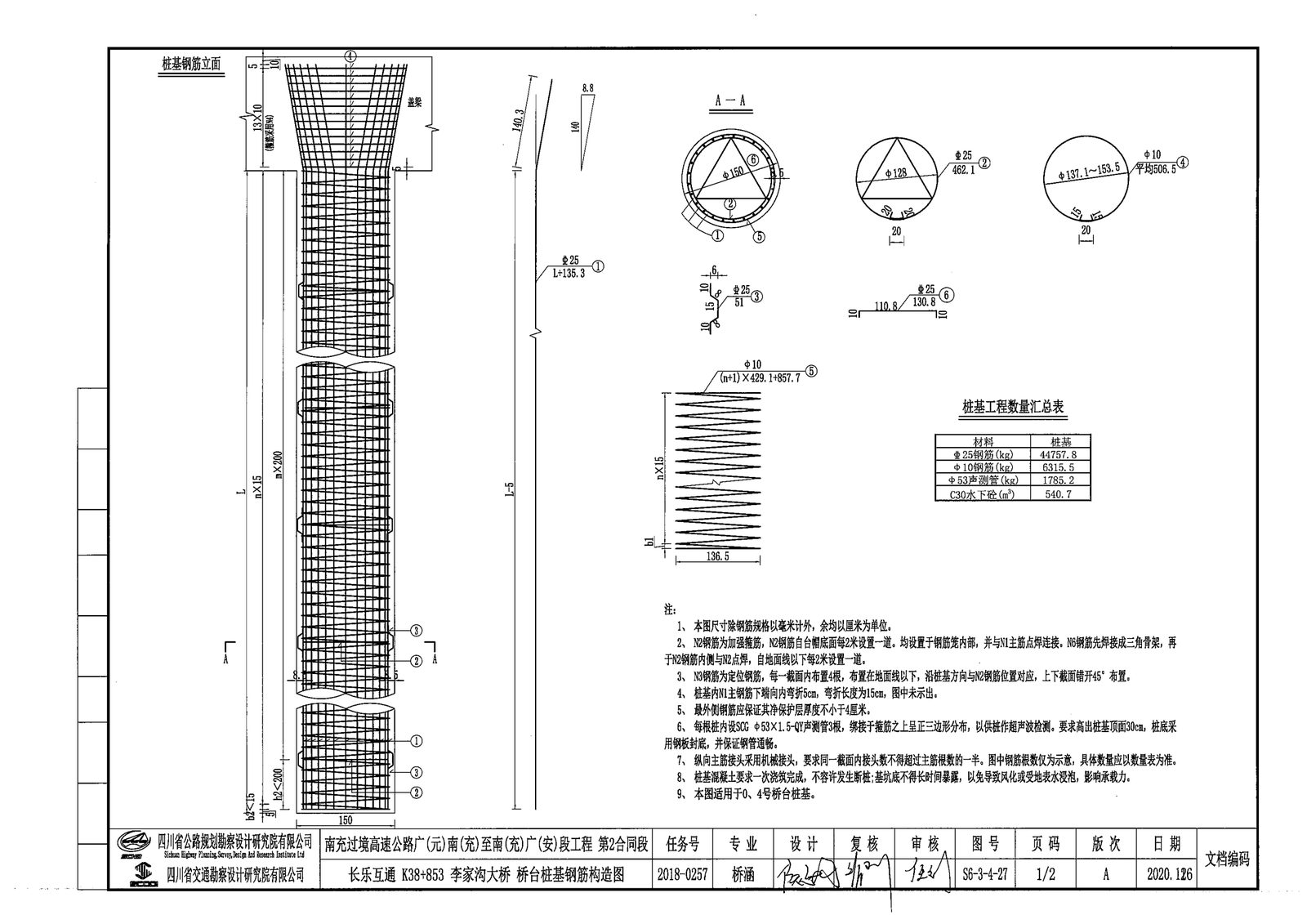
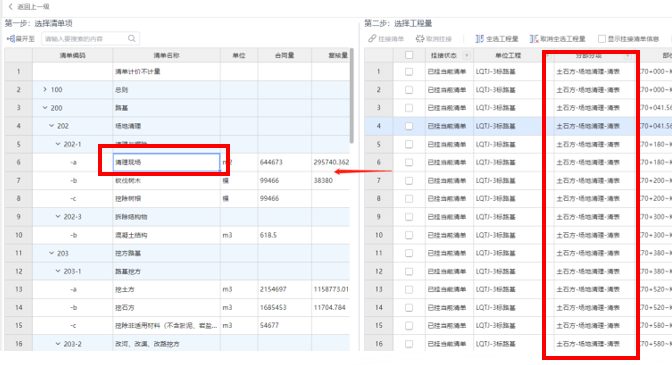
Quantity take-off for a RMB 1 billion project: from 3 months to under 2 weeks
Infrastructure take-off used to rely on reading drawings and keying in data by hand, about three months for a RMB 1 billion project. The take-off agent receives the construction design drawings, reads the quantity tables automatically, recognises the drawings, builds the model and computes quantities, calling API services as it reasons, and returns the bridge quantity model and quantities, with people confirming only at key points.
- The AI take-off model was released in April 2024 and shown alongside AecGPT in May 2024
- The same technical route extends to AI + BIM road take-off and renovation-project take-off products
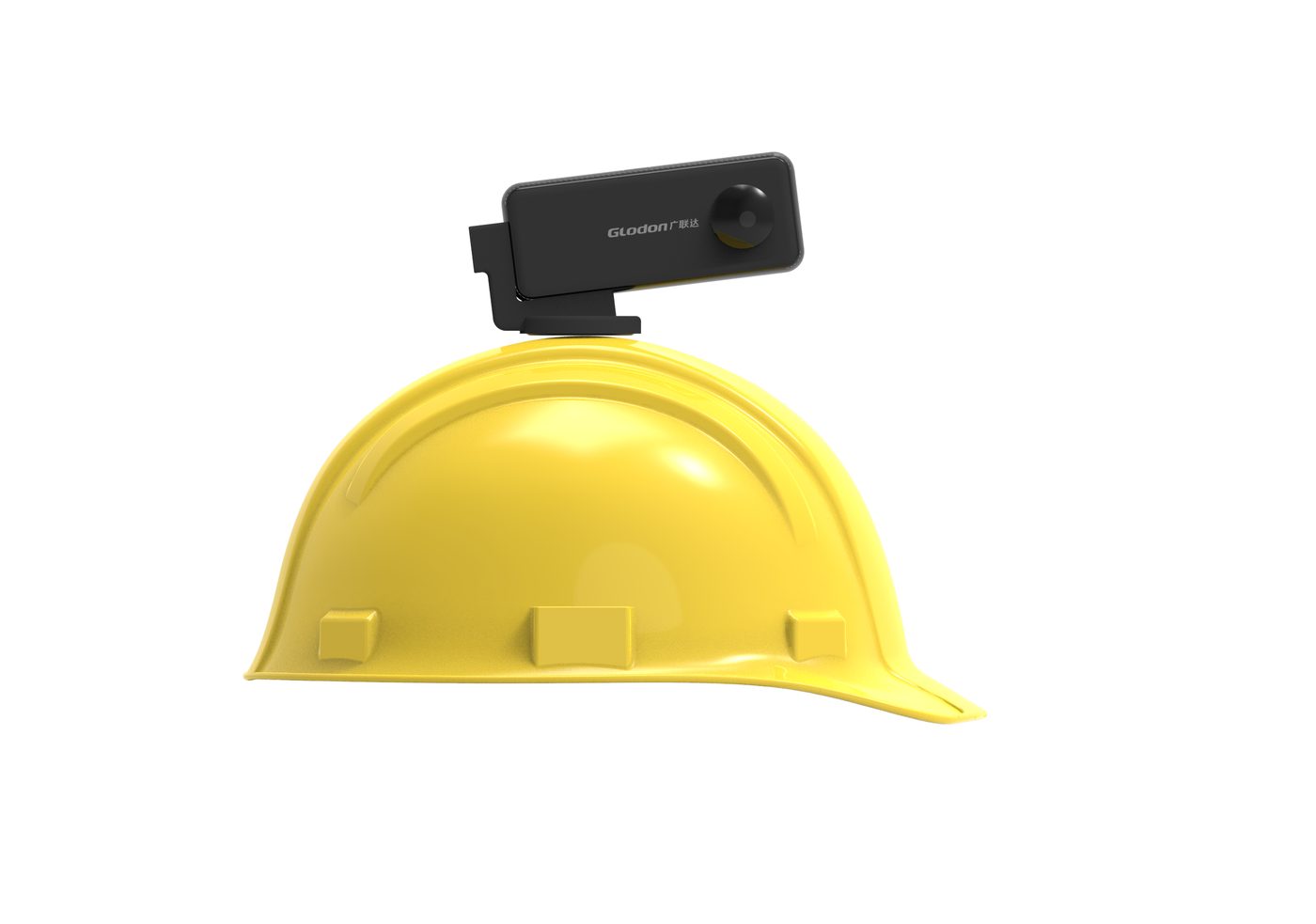

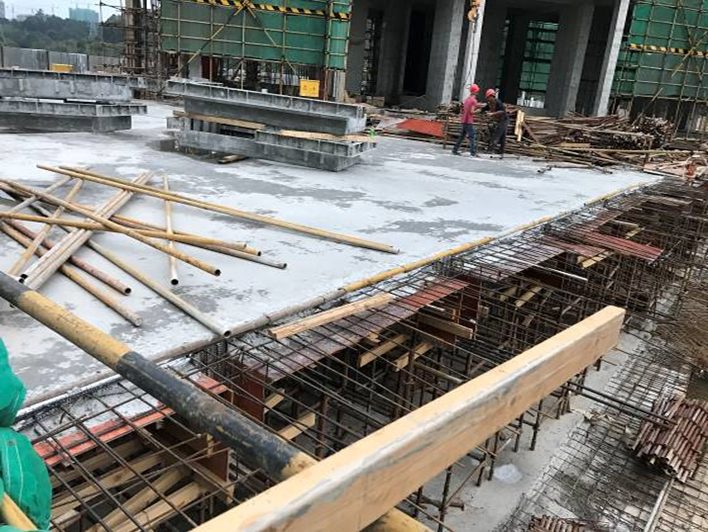
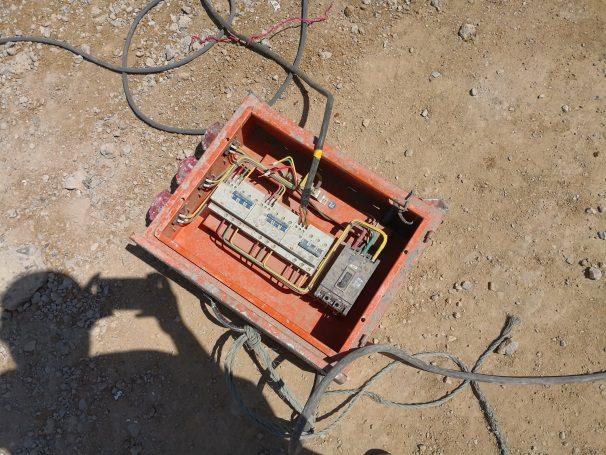
Closing the safety-management PDCA loop
Plan: from the site schedule, special plans and construction organisation design, AI identifies risk sources and generates the overall risk-control plan, duty tasks and control measures. Do: control measures executed on site (edge protection, daily pre-shift safety briefings). Check: 360-degree inspection cameras, smart inspection helmets, Hummingbird boxes, CCTV, and high-formwork and tower-crane monitoring run AI safety inspections, spotting open flames, smoke and damaged safety nets. Act: AI-driven continuous rectification, with hazard rectification and safety logs generated automatically.
- Hazard taxonomy: 7 inspection categories, 30 sub-items, 104 hazard checkpoints (22 major, 38 significant, 44 general)
- Covers site civilisation, fire, work at height, excavation, formwork and scaffolding, machinery, temporary electrics
Recognition accuracy for rebar and other materials; 1,400+ companies and 12,000+ projects served; savings from RMB 2 million on a RMB 500 million project, concrete over-pour cut from 5–8 points to under 1. Selected as a 2025 Beijing large-model application case and a World Digital Economy Conference case.
Work-item generation 5× faster and planning optimisation 10× faster, anchored on the main-structure phase.
AI design (Concetto), AI contract review, AI education (the Tiantian Xiangshang app) and more, across 20 specialisms in planning, design, trading, cost, construction, operations and management.
AecGPT's average score on the National Constructor Examination; intelligent Q&A and review for construction and engineering consulting.
Materials, schedule, design, contracts, education
Scenario models for architectural design, quantity take-off, schedule, materials, trading, safety and education, each solving concrete business problems. In product form they run as Copilot inside existing software or as RaaS delivering results; technically they combine prompt engineering, RAG and fine-tuning, and deliberately keep a "not fully automated" production-line model with human checkpoints.
05 / Governance & ResearchGovernance, Research & Organisation
Security-sensitive enterprise and public-sector clients could adopt because of registration, certification and on-premise deployment. The technology stayed ahead because of national research programmes and one research–engineering–product organisation.
Regulatory registration & security certification
AecGPT passed national generative-AI service registration; the industry AI platform obtained MLPS 2.0 Level 3 certification; enterprise-grade AI infrastructure and an on-premise deployment system were designed for security-sensitive clients.
National Key R&D Programme
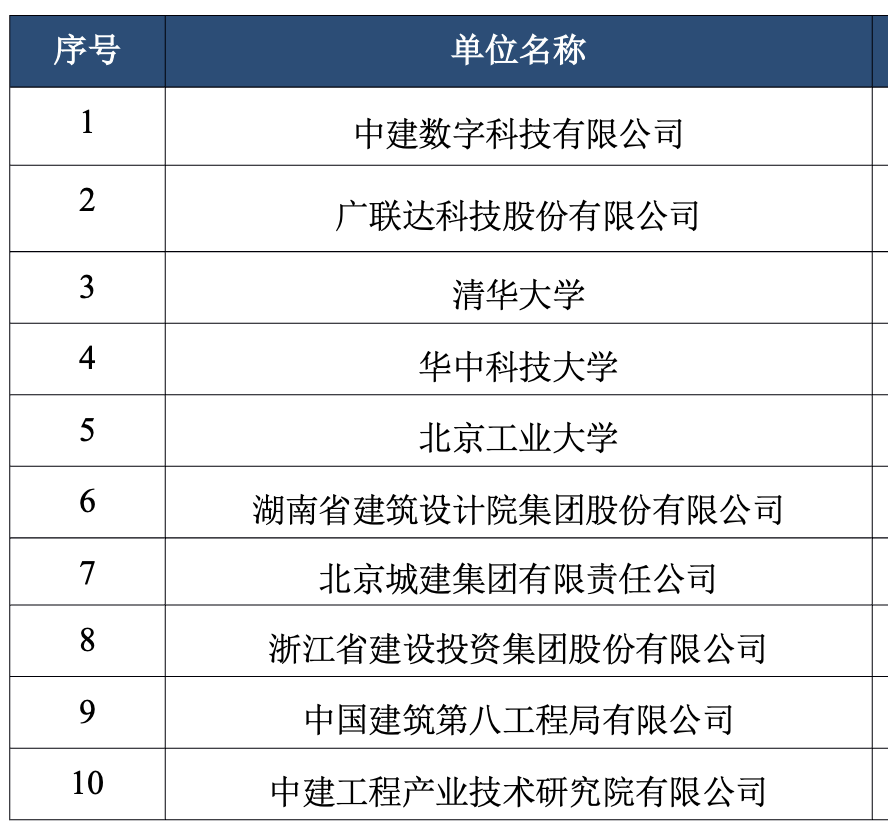
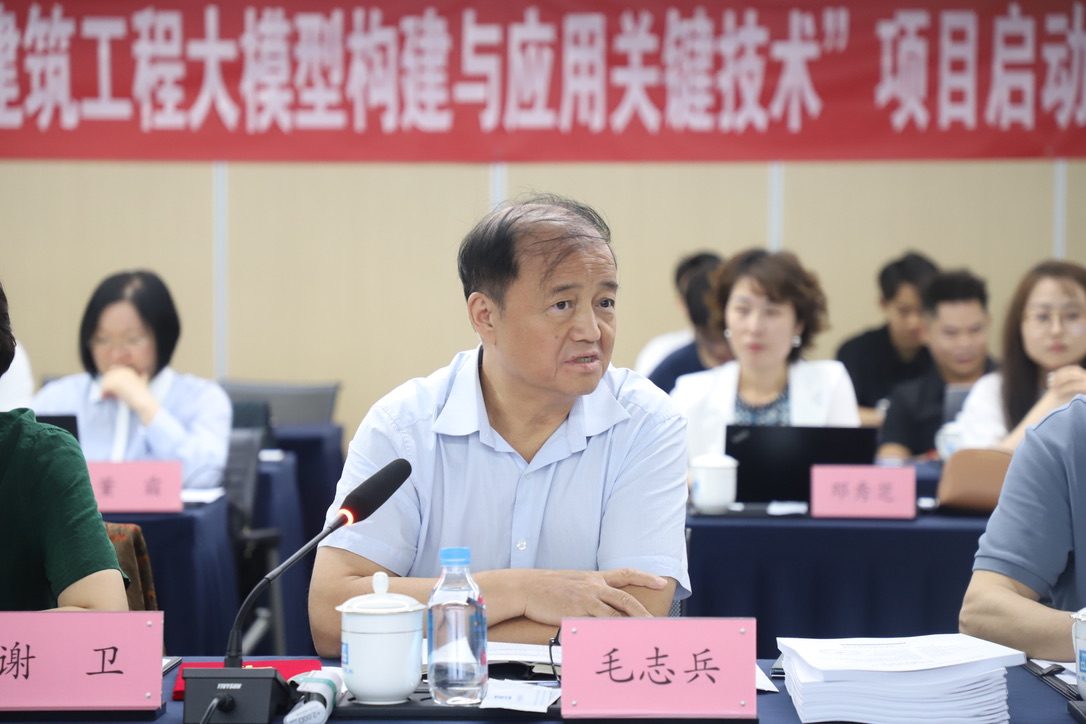
Principal Investigator, Task 2, 14th Five-Year Plan National Key R&D Programme "Key Technologies for the Construction and Application of Large Models in Building Engineering": RMB 5 million central-government funding within a RMB 54 million programme. Data layer: industry semantic ontology; intelligence layer: industry LLM plus specialist fine-tuning; application layer: product lines as AI RaaS.
AI Center of Excellence
A ~50-person research–engineering–product organisation integrating previously separate algorithm, data, engineering and product teams; new Ph.D. graduates and top master's graduates recruited worldwide through the group's Ph.D. programme; group-wide AI engineering standards and technical governance.
Recognition
Huaxia Construction Science and Technology Award, Second Prize (2025, AI-driven machine-governed tendering); the construction LLM selected as a Beijing large-model application case in 2024 and 2025; the tendering application selected as a national "AI+" application-scenario case.
06 / SourcesSources
Figures on this page come from two kinds of source: LI Jiang's public talk material and public coverage. Nothing unsupported by those sources is included.
- Talk materialLI Jiang, "AI + Digital Building in Practice", November 2025: AI timeline, composite engineering architecture, three key-technology breakthroughs, Hainan machine-governed tendering results, AI take-off, AI safety.
- China Daily · Glodon newsGlodon releases construction-industry LLM and industry AI platform (29 May 2024): 32B parameters, 7 domains and 20 specialisms, 97% on the constructor exam, take-off from 3 months to 2 weeks, Zebra schedule 5× / 10×. See also the English release.
- XinhuaGlodon's LI Jiang: industry LLMs are the last mile of "AI+" (August 2024): L2 scenario-model release and LI Jiang's role.
- Glodon newsSelected as a 2025 Beijing large-model application case: AI materials management across 1,400+ companies and 12,000+ projects, ≥98% recognition accuracy.
- NBDGlodon drives a new digital ecosystem for construction with AI (24 Dec 2024): All in AI and Hainan progress in 2024.
- 53AIInside Glodon's AI growth strategy: every product deserves to be rebuilt with AI (June 2024): organisational history, the AI Innovation Institute, Copilot / RaaS.
- CVLI Jiang's executive CV: scope of role, budgets, direct AI revenue, organisation, registration and certification, National Key R&D Programme funding.